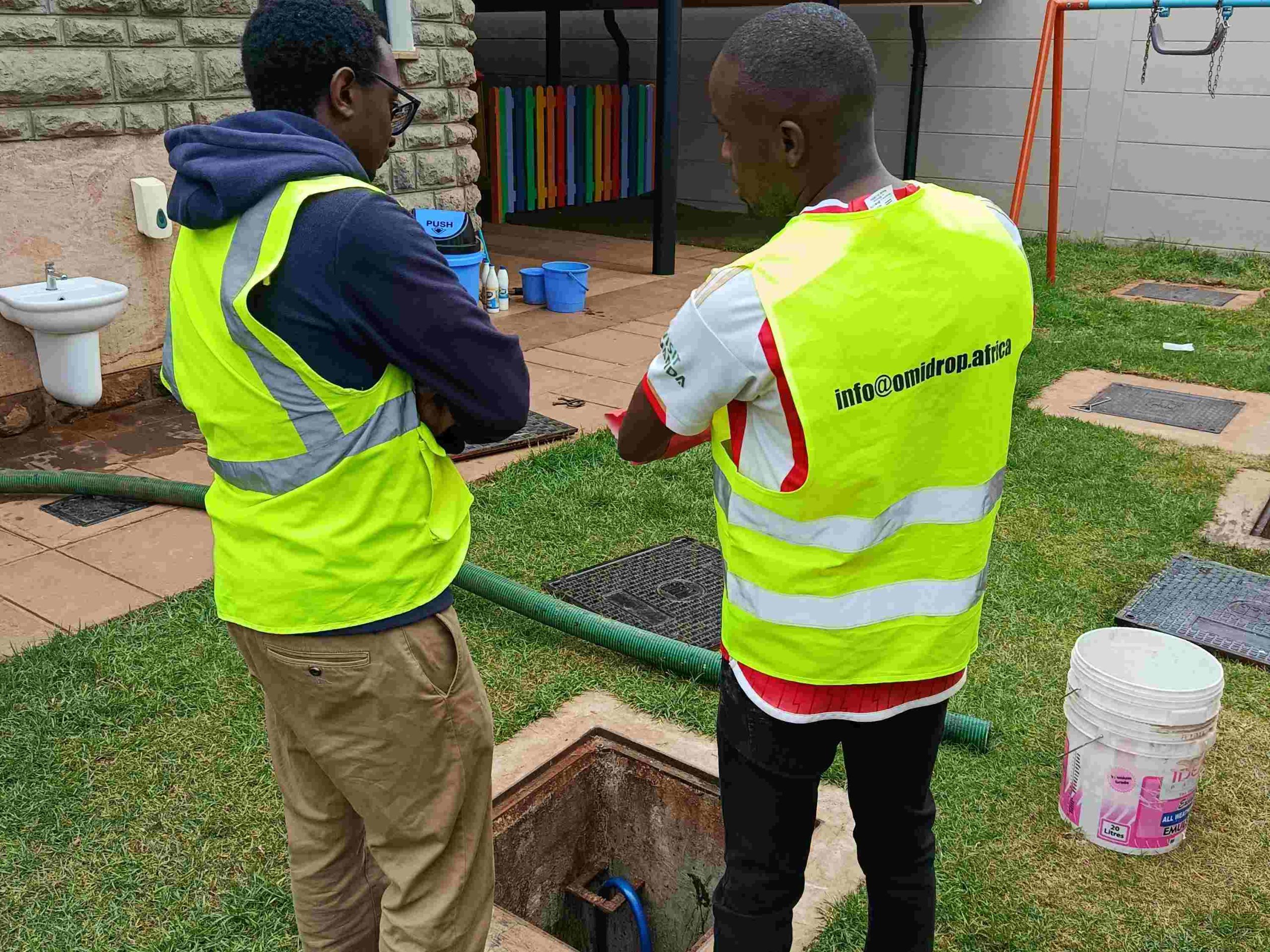

Why Septic Tank Cleaning Matters in Bustling Nairobi
Imagine waking up to a foul odor permeating your home, or worse, a backyard flooded with wastewater— a nightmare many Nairobi residents face due to neglected septic systems. In a city where rapid urbanization strains infrastructure, proper septic tank cleaning isn’t just a chore; it’s essential for safeguarding your family’s health and your property’s value.
As experts in residential septic services, Omidrop Africa has seen firsthand how proactive maintenance can prevent costly disasters. This guide dives deep into septic tank cleaning in Nairobi, offering fresh perspectives from our on-the-ground experiences, like navigating the unique challenges of high-density areas like Westlands versus sprawling suburbs in Karen. We’ll explore everything from inspections to repairs, blending practical advice with insights drawn from industry reports and our nationwide operations.
Nairobi’s septic systems handle wastewater for over 60% of households not connected to central sewers, making regular care crucial amid growing environmental concerns. Drawing from our work across Kenya, including eco-friendly methods compliant with NEMA regulations, we’ll provide unique tips that go beyond the basics—like using AI-powered diagnostics to catch issues early.
Understanding Residential Septic Services in Nairobi
Residential septic services form the backbone of home sanitation in Nairobi, where many homes rely on onsite systems rather than municipal sewers. These services encompass everything from routine pumping to emergency interventions, tailored to urban living’s demands.
At Omidrop Africa, we’ve serviced hundreds of homes, noticing a fresh pattern: in high-traffic areas like the CBD, tanks fill faster due to increased water usage from modern amenities. A standard septic tank separates solids (sludge) from liquids, allowing bacteria to break down waste before effluent drains into the soil. But in Nairobi’s clay-heavy soils, poor drainage can lead to failures if not addressed.
Our unique insight? Incorporate seasonal checks during rainy periods, as floods exacerbate backups—something we’ve learned from responding to calls in flood-prone spots like Rongai. For homeowners, starting with a professional assessment ensures your system matches your household size; a family of four might need a 1,000-gallon tank pumped every 3-5 years.
To illustrate, here’s a quick comparison of common residential septic services:
| Service Type | Frequency | Average Cost (KES) | Benefits |
|---|---|---|---|
| Basic Pumping | Every 3-5 years | 5,000-15,000 | Prevents overflows and odors |
| Full Cleaning with Jetting | As needed | 10,000-20,000 | Removes stubborn buildup |
| Biological Treatment | Monthly/Quarterly | 1,000-3,000 | Maintains bacterial balance for odor control |
These costs vary by tank size and location, but investing early saves thousands in repairs.
The Importance of Septic Inspections: Catching Problems Early
Septic inspections are your first line of defense, revealing hidden issues before they escalate. In Nairobi, where aging infrastructure meets new developments, regular checks are non-negotiable.
Omidrop Africa uses advanced tools like CCTV cameras and sonar for inspections, offering a fresh perspective: AI integration spots leaks or root intrusions that traditional methods miss. From our experience, a simple inspection in Kiambu prevented a major drainfield collapse for a client, saving them over KES 100,000.
Key steps in an inspection include visual checks, sludge measurement, and system testing. EPA guidelines recommend inspections every 3 years, but in high-usage Nairobi homes, annual ones make sense. Signs to watch for? Slow drains or gurgling sounds—don’t ignore them!
For a deeper dive, visit our essential guide to septic tank cleaning in Kenya, which emphasizes how inspections protect groundwater from contamination.
High-Pressure Hydro Jetting: Clearing Blockages Effectively
High-pressure hydro jetting blasts away grease, roots, and debris with water streams up to 4,000 PSI, ideal for Nairobi’s stubborn clogs from urban waste.
Unlike snaking, which only pokes holes, jetting cleans pipes thoroughly, extending system life. We’ve used it in commercial setups in Nyali, Mombasa, but it’s equally vital for residential lines in Nairobi’s Westlands, where tree roots invade older pipes.
A personal story: During a rainy season call in Thika, jetting resolved a recurrent backup caused by market waste runoff—a fresh reminder of how environmental factors play into urban septic care. Costs? Around KES 10,000-15,000 per session, but it prevents frequent pumping.
Visualize the process: This image shows a typical septic cleaning setup, highlighting the vacuum truck and jetting equipment in action.
Commercial Grease Trap Cleaning: Essential for Businesses
Commercial grease trap cleaning keeps fats, oils, and grease (FOG) from clogging systems, a must for Nairobi’s restaurants and hotels.
Omidrop Africa handles this with specialized pumps, ensuring NEMA-compliant disposal. Unique insight: In bustling areas like the CBD, traps need quarterly cleaning due to high FOG from food vendors— we’ve seen untreated traps cause street overflows, impacting public health.
Process involves pumping, scraping, and rinsing. Neglect leads to fines and shutdowns, per Kenyan regulations. Compare it to residential: Commercial requires more frequent service (every 1-3 months) versus yearly for homes.
Septic System Maintenance: Proactive Tips for Longevity
Septic system maintenance involves daily habits and professional tweaks to avoid breakdowns. In Nairobi, water conservation is key—fix leaks and space out laundry to prevent overload.
Our fresh perspective? Blend biological additives with pumping; enzymes boost bacteria, reducing sludge buildup. From experiences in rural Meru versus urban Nairobi, we’ve noted that additives work best in variable climates, maintaining balance during dry spells.
Bullet points for easy maintenance:
- Flush only biodegradables; avoid chemicals.
- Divert rainwater from drainfields.
- Log services for patterns.
Regular maintenance cuts repair needs by 50%, per industry reports. Check our main site at Omidrop Africa for maintenance plans.
Repair Septic System: When and How to Fix Issues
Repair septic system tasks range from baffle replacements to full drainfield overhauls. In Nairobi, common issues include cracked tanks from soil shifts or overloads.
Omidrop’s approach: Diagnose with CCTV, then repair— we’ve fixed systems in Eldoret using eco-materials, offering a sustainable twist. Costs? Minor repairs at KES 5,000-20,000; major ones up to KES 100,000+.
A table for repair scenarios:
| Issue | Signs | Repair Method | Estimated Cost (KES) |
|---|---|---|---|
| Clogged Pipes | Slow Drains | Hydro Jetting | 10,000-15,000 |
| Tank Cracks | Leaks | Patching/Replacement | 20,000-50,000 |
| Drainfield Failure | Soggy Lawn | Soil Aeration/New Field | 50,000-150,000 |
Early repairs save money—don’t wait!
Portable Toilet Rentals: Convenient Solutions for Events and Sites
Portable toilet rentals bridge gaps for construction sites, events, or temporary needs in Nairobi. Omidrop Africa offers hygienic units with hand sanitizers, perfect for weddings in Karen or builds in Ruiru.
Unique insight: In post-pandemic Nairobi, demand surged for sanitized rentals with touchless features— we’ve adapted by including eco-disposal. Rentals start at KES 2,000 per day, with servicing included.
Key Insights: Fresh Perspectives from Omidrop Africa
From our 500+ clients, a standout insight is AI’s role in predictive maintenance—scanning lines to forecast failures, unique to our services. In Nairobi, blending tech with traditional methods addresses urban growth pains, like in Tatu City developments.
Compare urban vs. rural: City tanks need more frequent service due to density, while rural ones benefit from natural filtration but face access issues.
Conclusion: Take Action for a Healthier Home
Septic tank cleaning in Nairobi isn’t optional—it’s vital for health, environment, and peace of mind. Omidrop Africa brings expertise, from residential septic services to portable toilet rentals, ensuring tailored, eco-friendly solutions.
Ready to protect your home? Contact us at +254 745 426 565 or book via Omidrop Africa for a free inspection. Share your septic stories in the comments—what challenges have you faced? Let’s keep Nairobi clean together!
