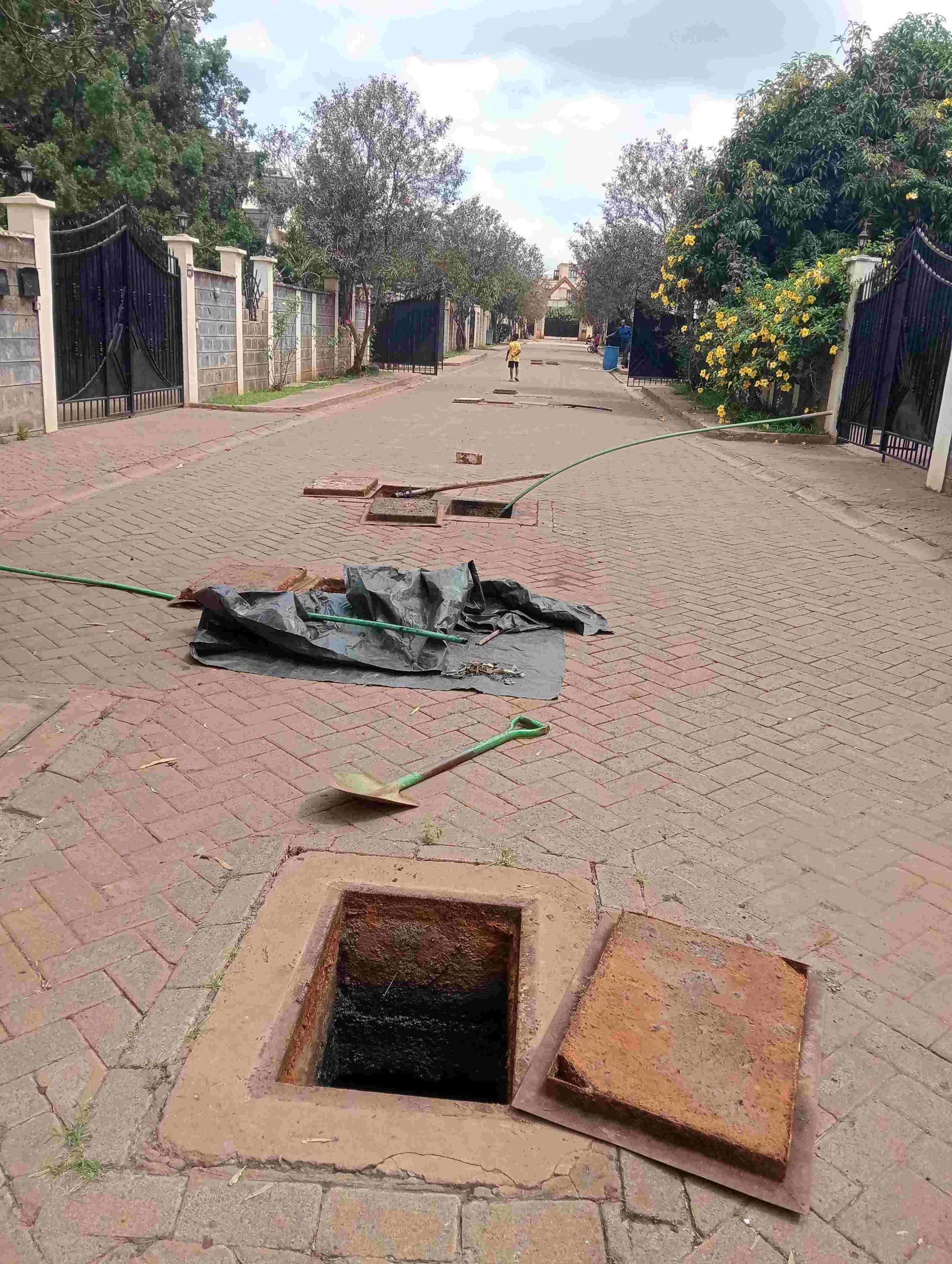

Is Your Nairobi Home’s Hidden System About to Back Up?
Picture this: a lush, green patch of grass suddenly appears in your yard, even during the driest Nairobi season. Or perhaps there’s a faint, persistent odor near your property line that wasn’t there before. For countless homeowners across neighbourhoods like Karen, Runda, and Kitengela, these aren’t just quirks of nature—they’re the first, subtle warnings of a septic tank in distress.
The truth is, your septic system works silently beneath your feet every single day. When it functions well, you never think about it. But when it fails, the consequences are immediate, messy, and incredibly costly. Understanding the critical importance of regular septic tank cleaning isn’t just about avoiding a foul smell; it’s about safeguarding your property’s value, your family’s health, and Nairobi’s local environment.
This guide will walk you through everything you need to know—from the vital science happening inside your tank to the unmistakable red flags of trouble. More importantly, it highlights why entrusting this job to a professional, reliable sewer service near me, like Omidrop Africa, is one of the smartest decisions a Nairobi homeowner can make.
The Unseen Ecosystem Beneath Your Feet
A septic system is far more than just a holding tank; it’s a sophisticated, natural treatment plant for your home’s wastewater. All the water from your toilets, showers, sinks, and washing machine flows into the septic tank. Here, a delicate but crucial process begins:
- Separation: Solids settle as “sludge” at the bottom, while fats and oils float to the top as “scum.”
- Breakdown: Naturally occurring bacteria get to work, partially digesting and breaking down the solid waste.
- Drainage: The clarified liquid in the middle layer, called effluent, flows out into a drainfield, where the soil provides final filtration and treatment before the water re-enters the groundwater.
This entire ecosystem relies on balance. The bacteria are the heroes of the system, and overloading the tank with solids, chemicals, or too much water can throw everything into chaos.
Recognising the Red Flags of a Failing System
Ignoring your septic tank doesn’t make the problem disappear; it just pushes a future disaster. Recognising the early warning signs can save you from a catastrophic and expensive failure.
- Slow Drains & Backups: The most common sign. If multiple fixtures (sinks, showers, toilets) are draining slowly or gurgling, your entire sewer line or tank might be nearing capacity.
- Unpleasant Odours: Foul smells around your yard, especially near the tank or drainfield area, are a clear signal that untreated waste is not being properly contained.
- Soggy Lawn & Lush Grass: Strange, spongy, or wet patches in your yard—particularly with unusually bright green, lush grass—can indicate that effluent is surfacing because the drainfield is saturated.
- Standing Water: Pooling water around the septic tank location when it hasn’t rained is a major red flag.
If you notice any of these signs, it’s crucial to stop using water in your home and call a professional sewer service near me immediately. Continuing to use the system can turn a manageable pumping job into a full-scale drainfield replacement, which can cost many times more.
The High Cost of Neglect: Why “Out of Sight” Shouldn’t Mean “Out of Mind”
Why is regular cleaning non-negotiable? Consider the alternative.
- Financial Burden: Routine septic tank cleaning every 3-5 years is a modest, planned expense. In contrast, repairing or replacing a failed drainfield or dealing with major blocked sewer lines can cost tens or even hundreds of thousands of Kenyan shillings.
- Health Hazard: A failing system releases raw sewage containing harmful pathogens, viruses, and high levels of nitrogen. This can contaminate your garden, groundwater, and even nearby water sources, posing serious risks of disease to your family and community.
- Property Value Destroyer: A malfunctioning septic system is a legal and environmental liability. It will dramatically lower your property’s value and can be a major roadblock during a sale.
Investing in regular maintenance isn’t a cost—it’s insurance for your home, health, and wallet.
The Professional Cleaning Process: What Omidrop Africa Delivers
So, what does a professional septic tank cleaning entail? It’s a thorough, multi-step process best left to experts with the right equipment and training. Here’s a look at the common methods and what sets a premium service like Omidrop Africa apart:
| Method | How It Works | Best For | Key Considerations |
|---|---|---|---|
| Pumping & Vacuuming | A vacuum truck removes sludge, scum, and effluent via a large hose. | Standard maintenance for all tank types. | The most common method. Thorough but requires good access for the truck. |
| High-Pressure Water Jetting | Pressurised water blasts away stubborn sludge and cleans sewer lines and baffles. | Tanks with heavy buildup or clogged inlet/outlet pipes. | Provides a deeper clean of the entire system, not just the tank. |
| Biological Additives | Introducing specific bacteria/enzymes to boost waste breakdown. | Supplemental maintenance between pump-outs. | Not a substitute for pumping. Can help maintain bacterial balance. |
| Mechanical Agitation | A device churns and breaks up dense sludge before vacuuming. | Tanks with heavily compacted, solid waste. | Ensures more complete waste removal in challenging cases. |
A company like Omidrop Africa doesn’t just pump and leave. Their professional service includes locating and safely accessing the tank, a thorough inspection of tank components (like baffles and dip pipes which are critical for function), safe transport of waste to approved treatment facilities, and providing you with a record of service for future reference. This comprehensive, eco-friendly approach is what defines a true professional septic treatment service.
Your Daily Role: How to Be a Septic-Smart Homeowner
Professional cleaning is essential, but you are the first line of defense every day. Proper care significantly extends the time between necessary pump-outs.
- Mind What You Flush: Your toilet is not a trash can. Never flush wet wipes (even “flushable” ones), feminine hygiene products, paper towels, diapers, or cigarette butts. Follow the golden rule: only human waste and toilet paper.
- Think at the Sink: Avoid pouring cooking grease, oil, coffee grounds, or harsh chemicals like paint thinners and bleach down the drain. These can kill the essential bacteria in your tank and cause clogs.
- Conserve Water: Spread out laundry loads over the week and fix leaky faucets and toilets promptly. Flooding the system with too much water at once doesn’t allow solids to settle and be treated properly.
- Protect the Drainfield: Never drive or park vehicles over it, and plant trees a safe distance away (at least 30 metres for aggressive species) to prevent root damage.
Don’t Wait for a Crisis: Choose Omidrop Africa for Peace of Mind
The silent work happening underground is too important to ignore. When you need a trusted, professional sewer service near me in Nairobi, look no further than Omidrop Africa.
With a nationwide team of sanitation experts and exhauster service providers, Omidrop delivers reliable, efficient, and compliant septic tank cleaning and septic treatment for homes and businesses across Kenya. They combine modern equipment with deep local expertise to solve your wastewater challenges, ensuring your system works flawlessly for years to come.
Don’t wait for the backup or the bad smell. Be proactive. Protect your Nairobi home, your health, and your investment.
Schedule your professional septic system inspection and cleaning with Omidrop Africa today. Visit omidrop.africa to book your service and experience the peace of mind that comes with true expertise.
